
Menopause, Your Pelvic Floor, and the Changes No One Warned You About
Menopause comes with a LOT of changes. Hot flashes. Sleep changes. Mood changes. Weight changes. But there’s another group of changes that doesn’t get nearly enough attention. Genitourinary Syndrome of Menopause (GSM) is the term for the cluster of symptoms involving your bladder, pelvic floor, and sexual health.
First up… your bladder.
As estrogen levels fluctuate, and eventually decrease, during menopause, the tissues around your bladder and urethra (the tube from your bladder to the outside world) can become thinner, drier, and stiffer. Your urethral sphincter (where you pee from) is especially sensitive to lower estrogen levels. This can contribute to changes in bladder control and function.
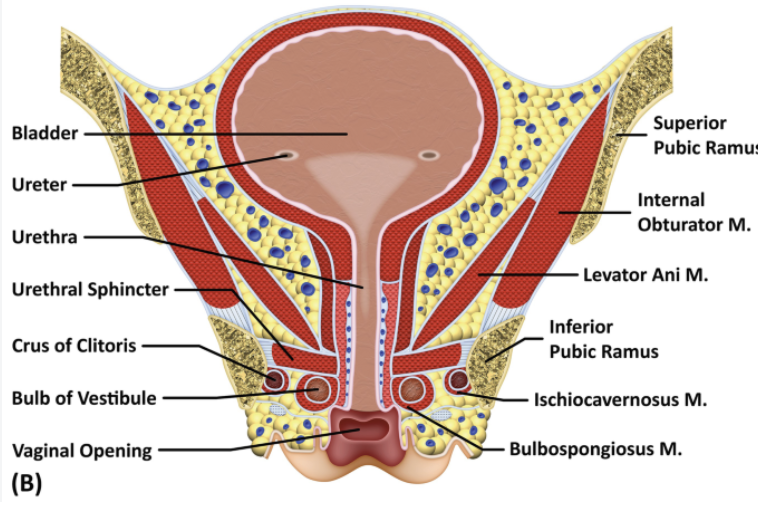
You may notice new or worsening symptoms including:
Leaking when you cough, sneeze, laugh, or exercise
Sudden, strong urges to pee
Going to the bathroom more often
Waking up multiple times at night to urinate
Difficulty fully emptying your bladder
More frequent urinary tract infections
These symptoms are common, but common does not mean you have to live with them.
What about your pelvic floor?
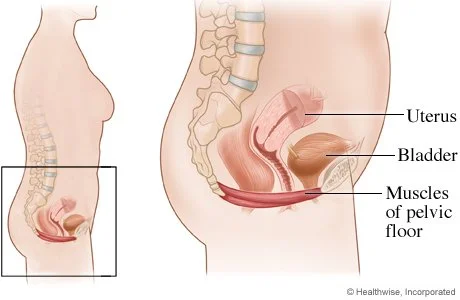
Your pelvic floor muscles are involved in bladder and bowel control, sexual function, pelvic organ support, and more. During menopause, changes in hormones and the tissues surrounding the pelvic floor can also affect how those muscles work. Some women develop pelvic floor weakness, while others actually develop muscles that are too tight and overactive.
But how do you know which one it might be?
If you’re experiencing pelvic pain, pressure, urinary symptoms, constipation, or pain with sex, simply doing more Kegels may not be the answer. And in many cases, make your symptoms worse. Sometimes your pelvic floor needs to learn how to relax, not just strengthen.
And then there’s sex.
This is another area where women are often told, “Well, that’s just part of getting older.” Nope…You deserve better than that!
Lower estrogen can cause vaginal and vulvar tissues (the skin surrounding the vaginal opening) to become thinner and less lubricated. This can lead to dryness, burning, irritation, decreased sensation, or pain with penetration. You might notice that sex suddenly hurts when it never did before. Maybe you’re avoiding intimacy because you’re worried it will hurt. Or maybe you’ve started using more lubricant but still don’t feel like something is quite right.
These changes are common during and after menopause— but it doesn’t HAVE to be like that and there are treatment options.
Pelvic floor physical therapy can help address muscle tension, coordination, strength, mobility, body mechanics, and other factors contributing to your symptoms.
Depending on your symptoms, your healthcare team may also discuss options such as vaginal moisturizers, lubricants, or local estrogen creams. There previously was a “black box warning” on topical estrogen cream. But as of February 2026, it has been removed. Local hormone treatments have minimal absorption into your blood stream and are a safe option for almost everyone (including those with a history of breast cancer). Ultimately, the decision of what’s best for you is up to you and your healthcare provider.
Moral of the story….You don't have to just “deal with it.”
Menopause is a normal stage of life. Living with pelvic pain, leaking, urinary urgency, or painful sex does not have to be your new normal.
If your pelvic health has changed during perimenopause or menopause, it’s worth talking to someone who understands these changes. Because feeling comfortable in your body, going through your day without planning your life around a bathroom, and enjoying intimacy without pain are all things worth working toward. Make pelvic floor therapy part of your peri/menopause team!
Your age may be changing. Your hormones may be changing. But that doesn't mean you have to give up on feeling good in your body.