Dry Needling
Decrease pain • Improve scar mobility, blood flow & tissue mobility
Targeting Muscle Tension at the Source
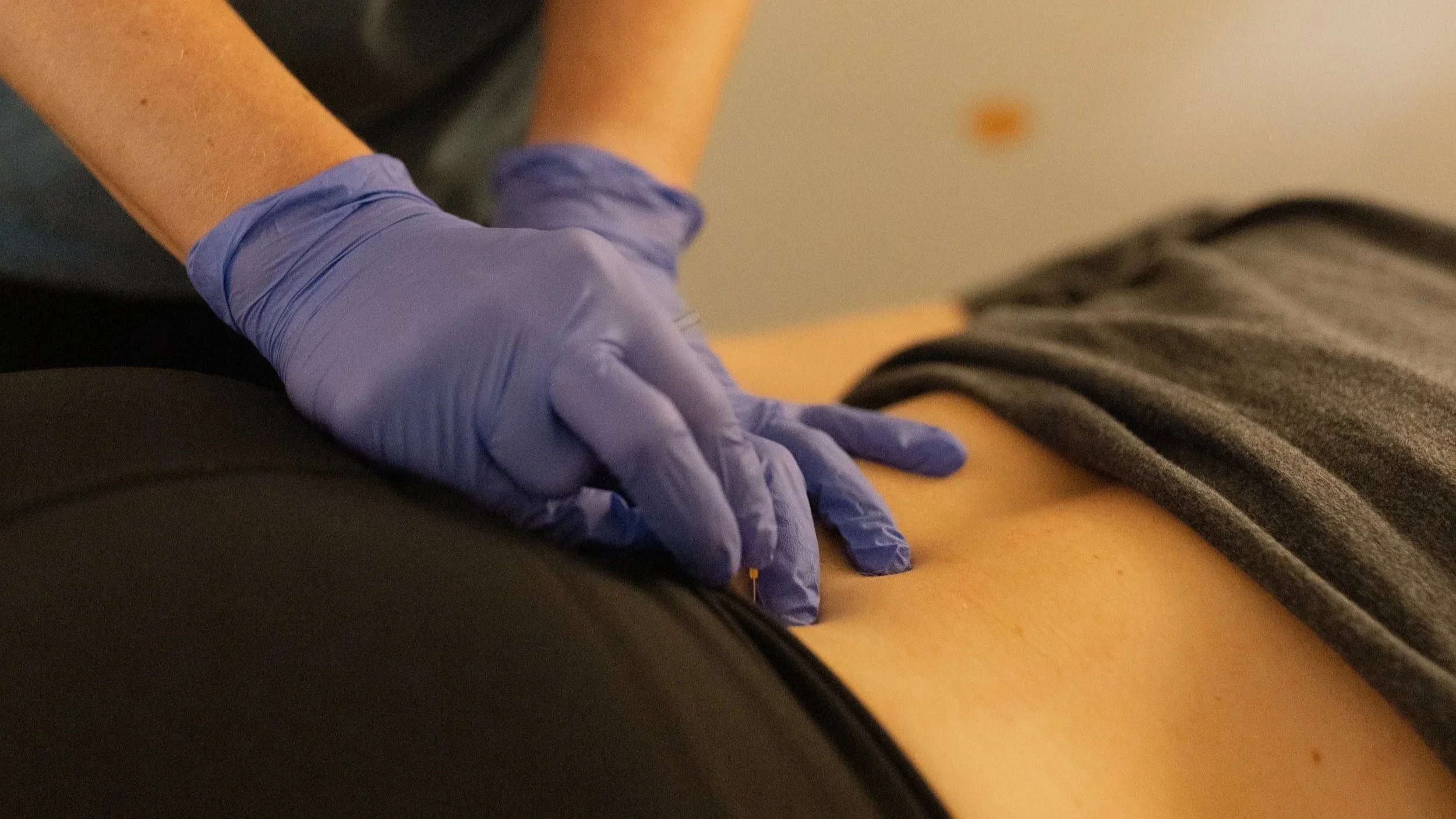
Dry needling is an extremely effective tool used to reduce muscle tension, pain, and trigger points. We use a thin, sterile needle to penetrate through the skin and directly into the targeted muscle. Dry needling lets the therapist get much deeper than surface level treatments. Dry needling can also be used to improve scar mobility. This tool is often used with other forms of manual therapy, stretches, and exercises for effective, long-lasting results.
*NOTE: There is NO extra charge for dry needling.
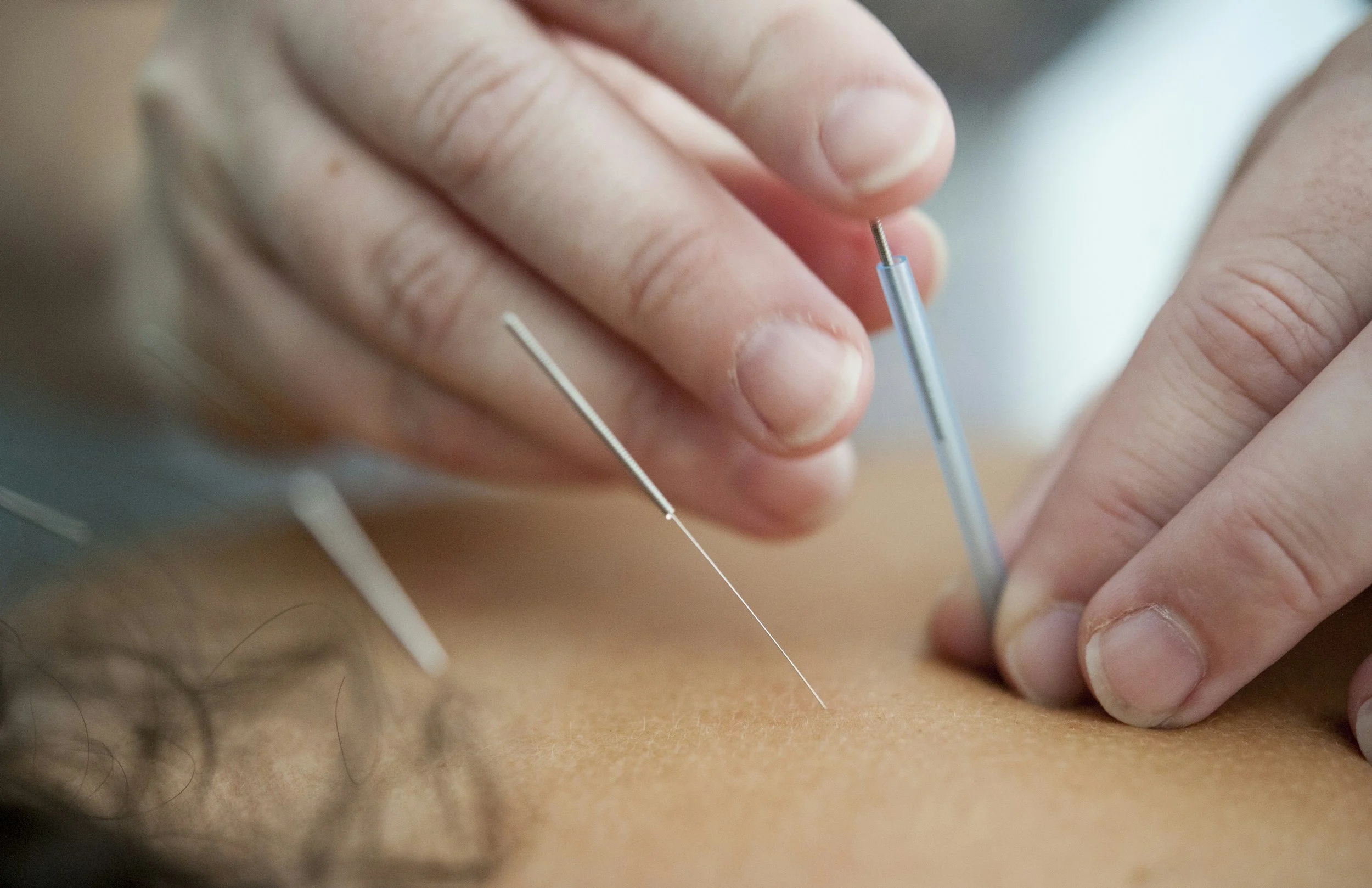
C-section scars
Low back pain
Hip pain
Headaches
Neck pain
Piriformis syndrome
Trigger points
and MORE
Dry needling helps with:
How does dry needling work?
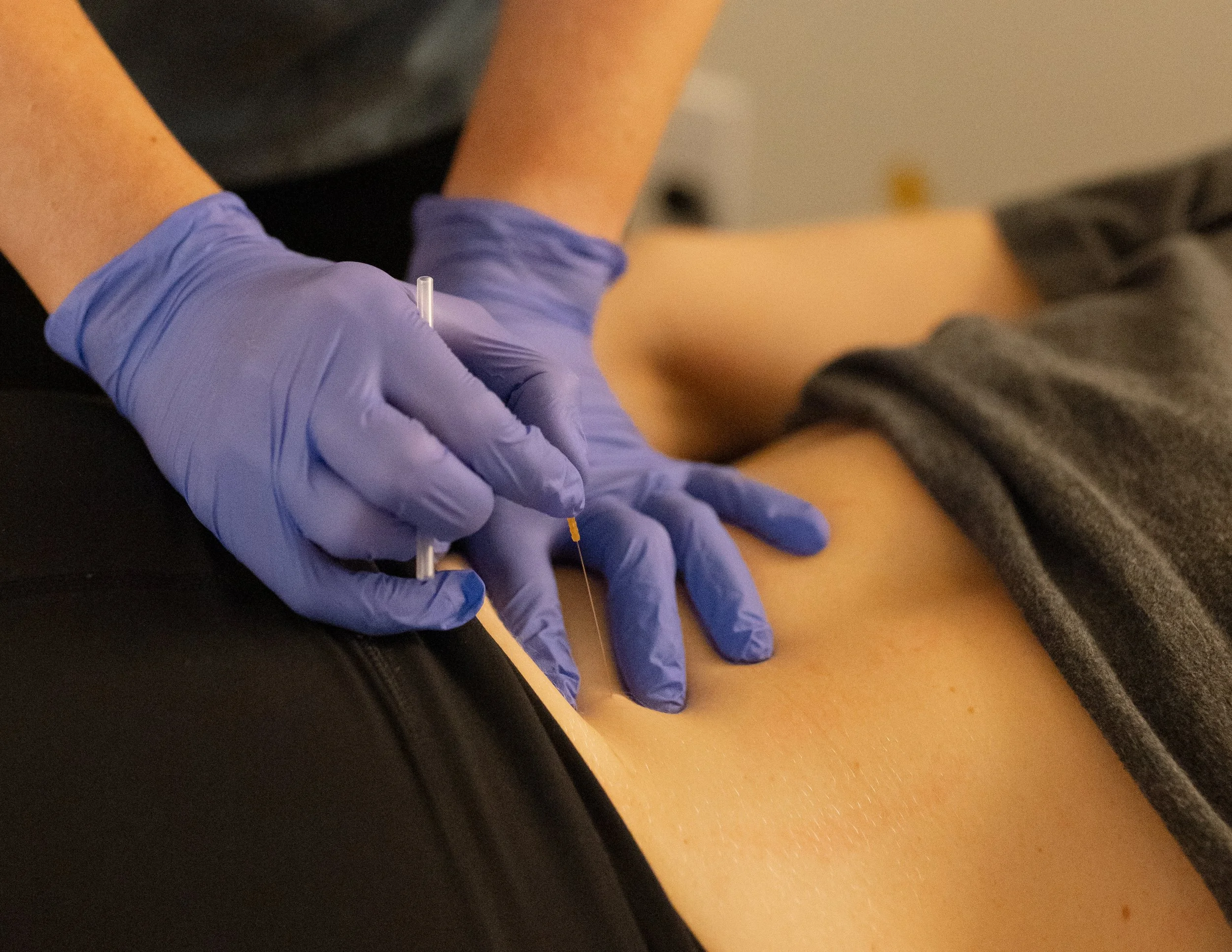
We use a thin (monofilament) needle to penetrate the skin and target trigger points. Trigger points are sometimes felt as “knots” in the muscle. The needle creates a sudden increase in the pressure inside that trigger point. Our body is really good at trying to maintain “homeostasis” or a happy medium with muscle tension. This sudden increase in tension creates a reflexive relaxation as the body tries to even out the tension. Think of it as hitting “control + alt + delete” on your computer to reset and start over.
Dry needling also increases blood flow and awareness to that part of the muscle to allow for better rehab to regain optimal function. Sometimes we also add a light electrical stimulation (think TENS unit) to further the benefit. Once the needling has worked it’s “magic”, we often follow up with further manual therapy techniques, stretches, and/or strengthening exercises.
Frequently Asked Questions
Still have questions? Take a look at the FAQ or reach out anytime. If you’re feeling ready, go ahead and click on the button or give us a call at 660-851-3352 to speak with our patient care coordinator.
-
It’s called “dry” needling because no fluid is exchanged through the needle, such as an injection/vaccine or blood draw.
-
Not really. It can initially be a little uncomfortable, but most patients would not describe it as “painful”. Muscle twitching or a sense of muscle cramping are actually a sign that the treatment is working.
-
There are a couple of instances when we would not do dry needling, including:
active cancer or infection
recent surgery
pregnancy
clotting disorder or on blood thinners
lymphedema in area
inability to consent or extreme fear/anxiety with needles
-
Although rare, adverse reactions are always possible:
Pain during and after treatment
Soreness and bruising
Infection
Bleeding
Needle anxiety (Dizziness, faintness)
-
No. While both services use similar needles, their focus and needle placement is very different.
Dry needling focuses on the musculoskeletal (muscles and bones) and neuromuscular (nerves) systems. Needles are placed into trigger points, scar tissue, and connective tissues. Physical therapists can perform dry needling.
Acupuncture focuses on traditional Chinese medicine practices. Needles are placed along energy meridians. Licensed acupuncturists have a completely separate training they go through.
*All physical therapists at Mid-Missouri Pelvic Health have undergone extensive training in dry needling.